
Kedarnath Trekking Guide 2026: Everything You Need to Know Before You Go
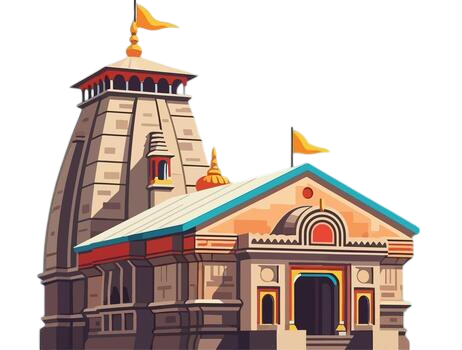
Nestled deep in the Garhwal Himalayas of Uttarakhand, the Kedarnath Temple stands at 3,583 metres one of the holiest shrines in Hinduism and one of India’s most breathtaking trekking destinations. Whether you come as a pilgrim seeking divine blessings or an adventurer chasing mountain vistas, this guide has everything you need to plan a safe, memorable Yatra in 2026.
Best Time to Visit
The Kedarnath shrine opens every year in late April or May (on Akshaya Tritiya) and closes on Bhai Dooj in November. The temple doors for 2026 are expected to open on 2nd May 2026.
May–June and September–October are the sweet spots — clear skies, manageable crowds, and lush green valleys. July–August brings the monsoon with heavy rainfall and landslide risk; travel is possible but requires extra caution.
The Trek Route
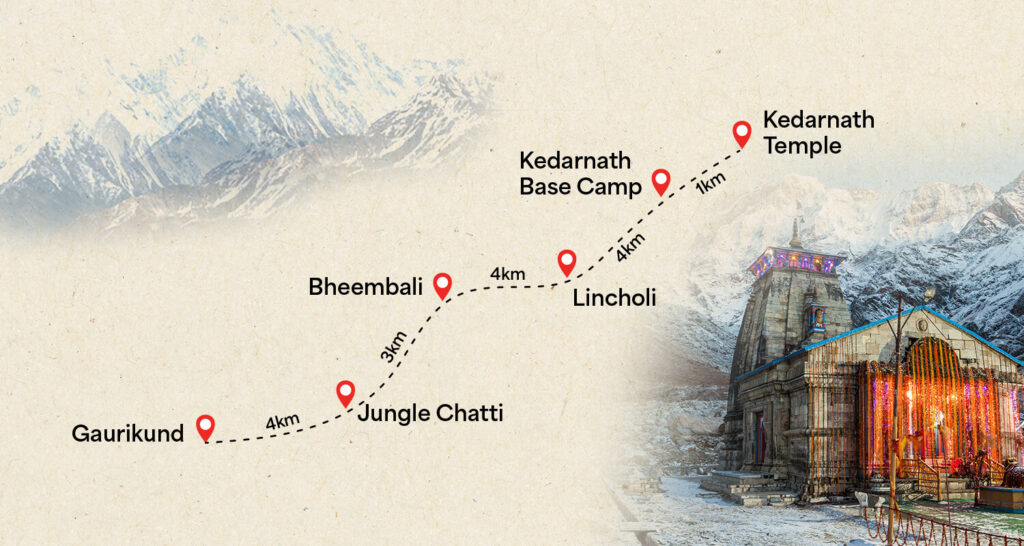
The classic route starts at Gaurikund (1,982m) the base camp accessible by road and climbs 16 km to the temple. The path is well-marked and paved in most sections.
- Gaurikund (1,982m)
Trek starting point — hot springs, basic facilities, mule stand - Jungle Chatti (2,600m)
4 km from Gaurikund — first major rest stop, tea stalls - Bheembali (3,200m)
9 km in — altitude checkpoint, refreshments, stunning views - Lincholi (3,380m)
12 km — last significant rest stop before the final push - Kedarnath Temple (3,583m)
16 km — the sacred destination, 1,000-year-old stone temple
How to Reach Gaurikund
Most pilgrims fly into Jolly Grant Airport, Dehradun or take a train to Haridwar / Rishikesh, then proceed by road.
- By Air
Jolly Grant Airport (Dehradun) → Haridwar → Sonprayag → Gaurikund. ~280 km, 9–10 hrs by road. - By Train
Haridwar or Rishikesh railway station → Shared jeep or taxi to Gaurikund via Rudraprayag.
Trek vs Helicopter
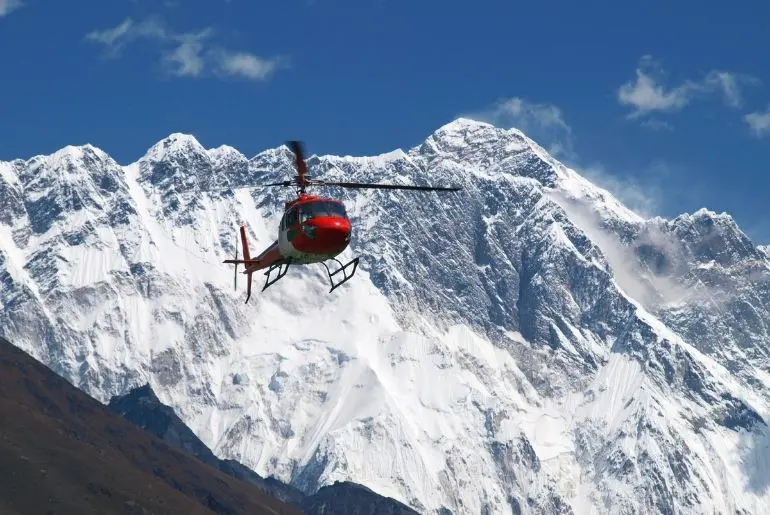
Can’t trek due to age, fitness, or time constraints? Helicopter services operate from Phata, Guptkashi, and Sitapur to Kedarnath in just 7–10 minutes. Book well in advance as slots fill fast during peak season.
- Trek (Recommended)
- Full spiritual experience
- Scenic valley views
- Free (just your effort)
- 6–8 hrs one way
- Helicopter
- Quick — 7–10 min
- Great for
- elderly/unwell
- ₹5,000–₹8,000 per person
- Book months in advance
Registration & Important Notes
Online registration is mandatory for all Char Dham pilgrims in 2026. Register at registrationandtouristcare.uk.gov.in or via the Char Dham app. Daily caps apply — secure your slot early.
- Acclimatise for 1 day at Sonprayag before trekking
- Start trekking early morning (before 6 AM) to avoid afternoon rain
- Stay hydrated — drink 3–4 litres of water daily
- Do not rush — altitude sickness is real and dangerous
- Check weather forecasts daily at Gaurikund
- Never trek alone — always go in a group or with a guide
Where to Stay
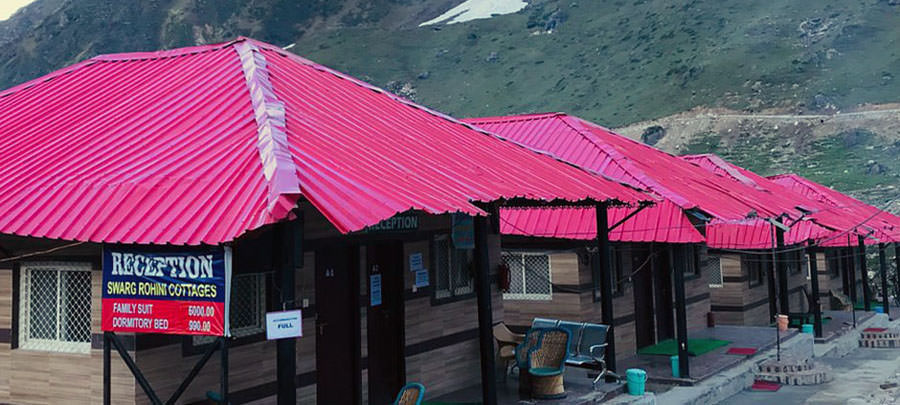
Accommodation is available at multiple points along the route. At the temple itself, GMVN (Garhwal Mandal Vikas Nigam) runs decent lodges and tented camps. Book well in advance during May–June and September–October peak months. Dharamshalas run by trusts offer affordable stays near the shrine.