
Winter Char Dham Pilgrimage: Where Are the Deities Moved?
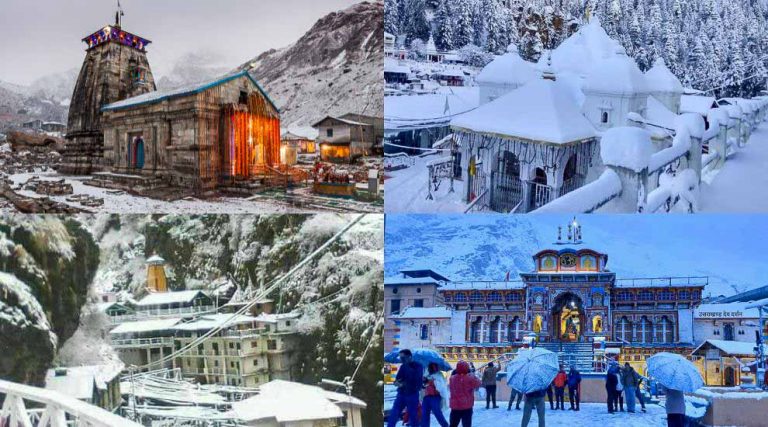
There’s something the Himalayas do every year around Diwali. They pull a curtain of snow across their highest peaks, sealing the doors of four of the most sacred temples in India Yamunotri, Gangotri, Kedarnath, and Badrinath. The mountain passes go quiet. The crowds disappear. And most people assume the pilgrimage is simply… over.
But here’s what not everyone knows: the gods don’t stay behind
The Ancient Ritual of the "Winter Seats"
Long before tourism departments issued press releases about it, the priests of Uttarakhand had a tradition as old as the mountains themselves. Every year, before the snowfall makes the high-altitude temples inaccessible, the idols of the four Char Dham deities are ceremonially carried down to lower villages their winter seats where devotees continue to worship them through the cold months, right until the shrines reopen in April or May.
It’s a deeply human ritual when you think about it. The gods, too, come down from the hills in winter.
So Where Do They Go?
🌊 Goddess Yamuna → Kharsali
When Yamunotri closes, the idol of Goddess Yamuna makes her way to Kharsali, a serene little village just about 5 km from the main temple. It’s quieter here, more intimate — a chance to sit with the goddess without the summer crowds pressing in around you.
🌊 Goddess Ganga → Mukhba Village
Gangotri’s winter home is the village of Mukhba, nestled near Harsil in Uttarkashi district. This is where the idol of Goddess Ganga rests through the snowy months. The village itself feels like a secret — small, sacred, and surrounded by pine and snow.
🔱 Lord Kedarnath → Omkareshwar Temple, Ukhimath
When the Kedarnath valley disappears under metres of snow, Lord Shiva’s idol is brought to the Omkareshwar Temple in Ukhimath, in the Rudraprayag district. This is perhaps the most emotionally charged of the four relocations. The ritual procession itself — carried on a palanquin with music and devotion — draws thousands of faithful each year.
🙏 Lord Badrinath → Pandukeshwar (Yogadhyan Badri Temple)
Lord Vishnu’s winter abode is at Pandukeshwar, near Joshimath in the Chamoli district. The Yogadhyan Badri Temple here holds a special sanctity, and it remains one of the more accessible winter pilgrimage spots, making it popular even among those who don’t know the full story of the deity’s seasonal journey.
Why This Season Is Actually Special
Most pilgrims rush to the Char Dham in May and June — and they return home exhausted from the crowds, the queues, and the noise. The winter pilgrimage is a completely different experience.
No long lines. No jostling for a glimpse. Just you, the cold mountain air, the scent of incense, and the quiet hum of prayers. The snow-draped surroundings only deepen the sense of stillness. Many devotees who’ve done both say the winter darshan touches something deeper — because when everything is stripped back to its essentials, the spiritual feels more real.
A Living Tradition
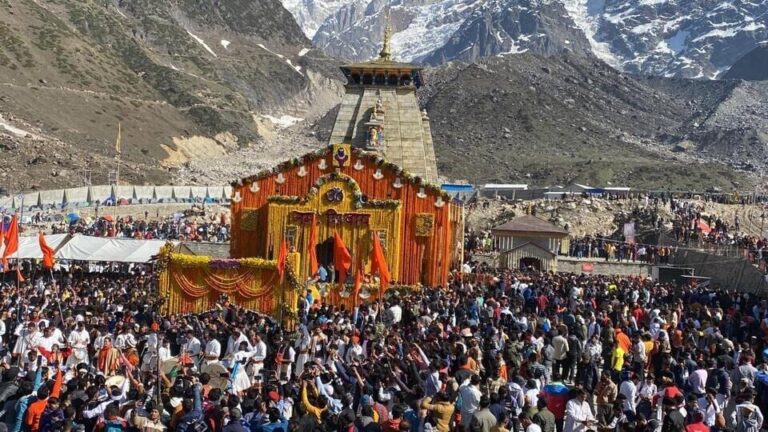
What makes the Winter Char Dham so beautiful isn’t just the logistics of it. It’s the fact that this has been happening for centuries, quietly, faithfully, every single year. The local priests carry the weight of this responsibility both literally and spiritually. And the communities of Kharsali, Mukhba, Ukhimath, and Pandukeshwar open their arms to the deities and to pilgrims alike.
The Uttarakhand Tourism Department officially launched the Winter Char Dham circuit in December 2024, shining a long-overdue spotlight on this tradition. But it was never really hidden — just known to those who looked a little deeper.